Table of contents
Japanese fashion has always captivated the global audience with its bold creativity and ability to blend tradition with modernity. In recent years, the influence of streetwear on Japan’s style landscape has grown remarkably, transforming how individuals express themselves through clothing. Delve into the dynamic rise of streetwear in modern Japanese fashion, and uncover the cultural shifts, aesthetic innovations, and social trends shaping this fascinating movement.
The roots of streetwear in japan
Japanese streetwear origins can be traced to the dynamic shifts in youth culture during the late twentieth century, a phase marked by rapid urbanization and the increasing global exchange of ideas. Street fashion history in Japan began to diverge from traditional attire when young people in cities like Tokyo and Osaka started to embrace urban style, influenced by Western music, sports, and skateboarding scenes. This adoption and adaptation of trends represent a vivid example of cultural diffusion, as Japanese subcultures took inspiration from abroad and blended these elements with local sensibilities to craft a distinct street identity. The contrast between established norms and the rebellious spirit of this new wave sparked a fashion revolution, with independent boutiques and underground brands flourishing in districts such as Harajuku and Shibuya. These neighborhoods became hubs for experimentation and self-expression, solidifying the foundation of modern Japanese streetwear and setting the stage for its international influence.
Key elements of the aesthetic
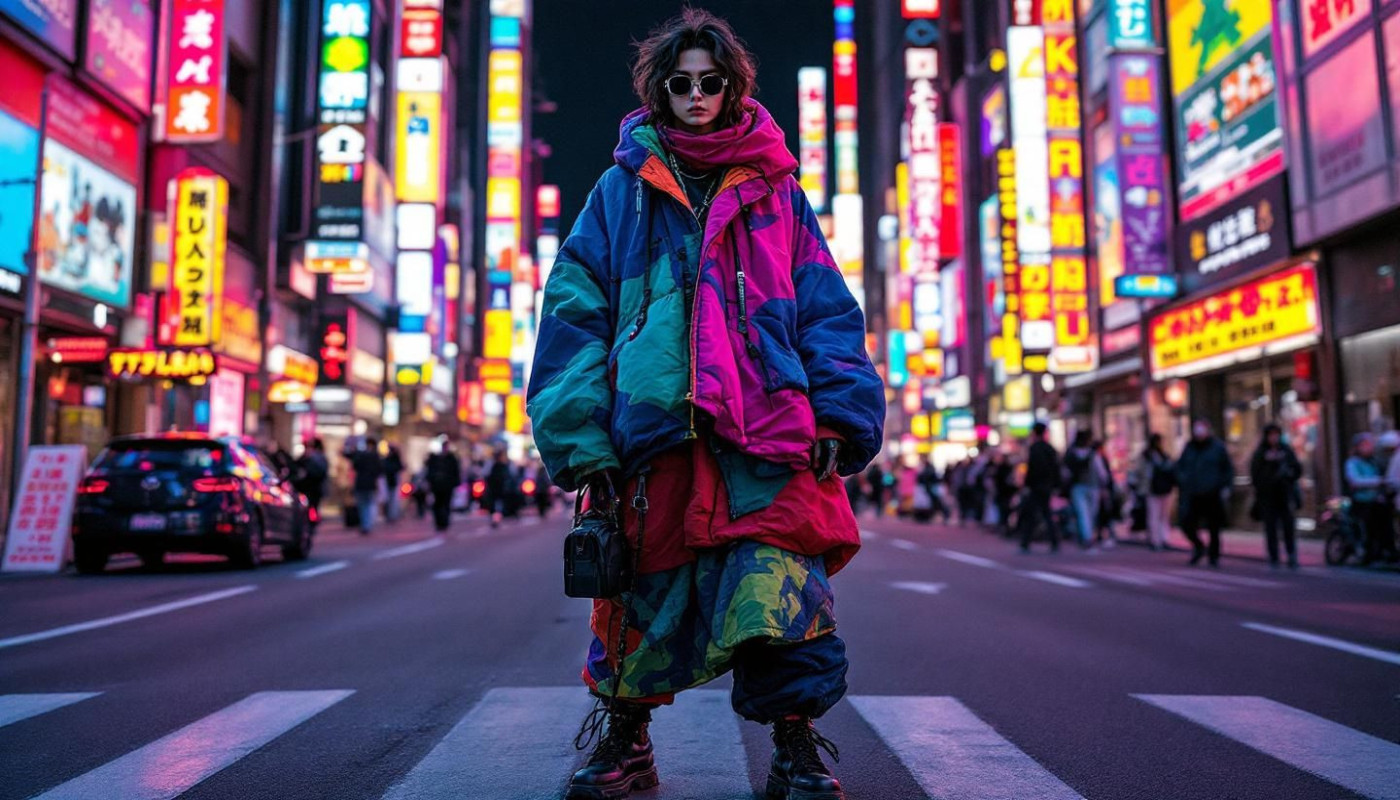
Modern Japanese streetwear is distinguished by its inventive layering techniques, which allow for the creation of dynamic silhouettes that both reflect individuality and accommodate the demands of urban life. Layering, a cornerstone among Japanese fashion elements, enables wearers to blend oversized outerwear with fitted basics, resulting in looks that are both practical and visually engaging. This approach to silhouette not only offers versatility but also showcases a mastery of mixing textures, proportions, and colors, hallmarks of current streetwear trends.
Japanese street style influences are further characterized by the frequent use of bold graphics—ranging from striking logos to vibrant pop culture references—and the seamless marriage of comfort with statement pieces. The integration of athletic fabrics, relaxed cuts, and eye-catching accessories forms a modern aesthetic that appeals strongly to Japanese youth seeking both self-expression and ease. The commitment to pushing boundaries while maintaining everyday wearability positions Japanese streetwear at the forefront of global streetwear trends, underlining its ongoing impact on the evolution of modern aesthetics worldwide.
Cultural impact on society
The rise of streetwear culture in Japan has dramatically shaped not only fashion trends but also the social landscape, particularly among Japanese youth. This movement has become a defining aspect of Japanese youth identity, fostering a sense of belonging in urban communities where self-expression is highly valued. Streetwear offers a platform for individuals to communicate personal style while also participating in a larger fashion movement that resonates with contemporary values. The collective consciousness surrounding streetwear has enabled entire groups to adopt shared attitudes and aesthetics, influencing how social interaction takes place in public spaces, from Harajuku to Shibuya.
Streetwear’s popularity has encouraged a shift in traditional attitudes, granting younger generations greater freedom to experiment with fashion and break conventional norms. This transformation is not limited to clothing but extends to music, art, and even language, creating a rich tapestry of influences that define modern Japanese society. For those interested in further exploring how Japanese streetwear brands and communities shape these trends, learn more about the latest urban styles and cultural phenomena at learn more.
Fusion with traditional attire
Japanese traditional fashion has long been characterized by garments such as the kimono, yukata, and hakama, each representing deep-rooted cultural heritage and artistry. In the context of modern streetwear fusion, designers and brands have adopted a cross-pollination approach, merging classic silhouettes, fabrics, and motifs of these historic pieces with contemporary style elements like oversized cuts, graphic prints, and unconventional layering. This interplay not only pays homage to cultural roots but also reflects ongoing fashion innovation, generating looks that resonate with both younger and older generations. According to the foremost Japanese cultural historian, this trend underscores a dynamic relationship between past and present: it demonstrates how modern streetwear can function as both a canvas for experimentation and a vehicle for preserving traditional identity. Such creative blending affirms that fashion in Japan evolves through respect for heritage while continually embracing new global influences and urban aesthetics.
Global influence and future directions
Japanese streetwear has significantly impacted global street fashion, leading to a broad appreciation of its unique aesthetics and cultural references across continents. Major western brands and designers now incorporate Japanese influence into collections, blending traditional motifs with avant-garde street style elements. As global style evolution accelerates, Japanese labels frequently set the pace for international trends, with their emphasis on limited releases, collaboration culture, and innovative use of textiles. The visibility of Tokyo’s youth-driven fashion scenes on social media platforms has only amplified this effect, turning local street icons into worldwide tastemakers.
Trend forecasting indicates that Japanese streetwear will remain at the forefront of fashion futures, particularly as sustainability and technology become more prominent. Designers are expected to deepen experimentation with eco-friendly materials and smart textiles, while collaborations between Japanese and international brands are predicted to increase, fostering new creative directions. Additionally, the blending of high fashion with streetwear, a hallmark of Japanese influence, is likely to redefine luxury and everyday wear for years to come. This ongoing global exchange ensures that Japanese streetwear will not only inspire but also actively shape the next chapters of international trends and style evolution.
Similar articles

How To Capture Stunning Underwater Photos In Mermaid Tails

Reviving The Millennium: How 2000s Fashion Shapes Modern Trends
