Table of contents
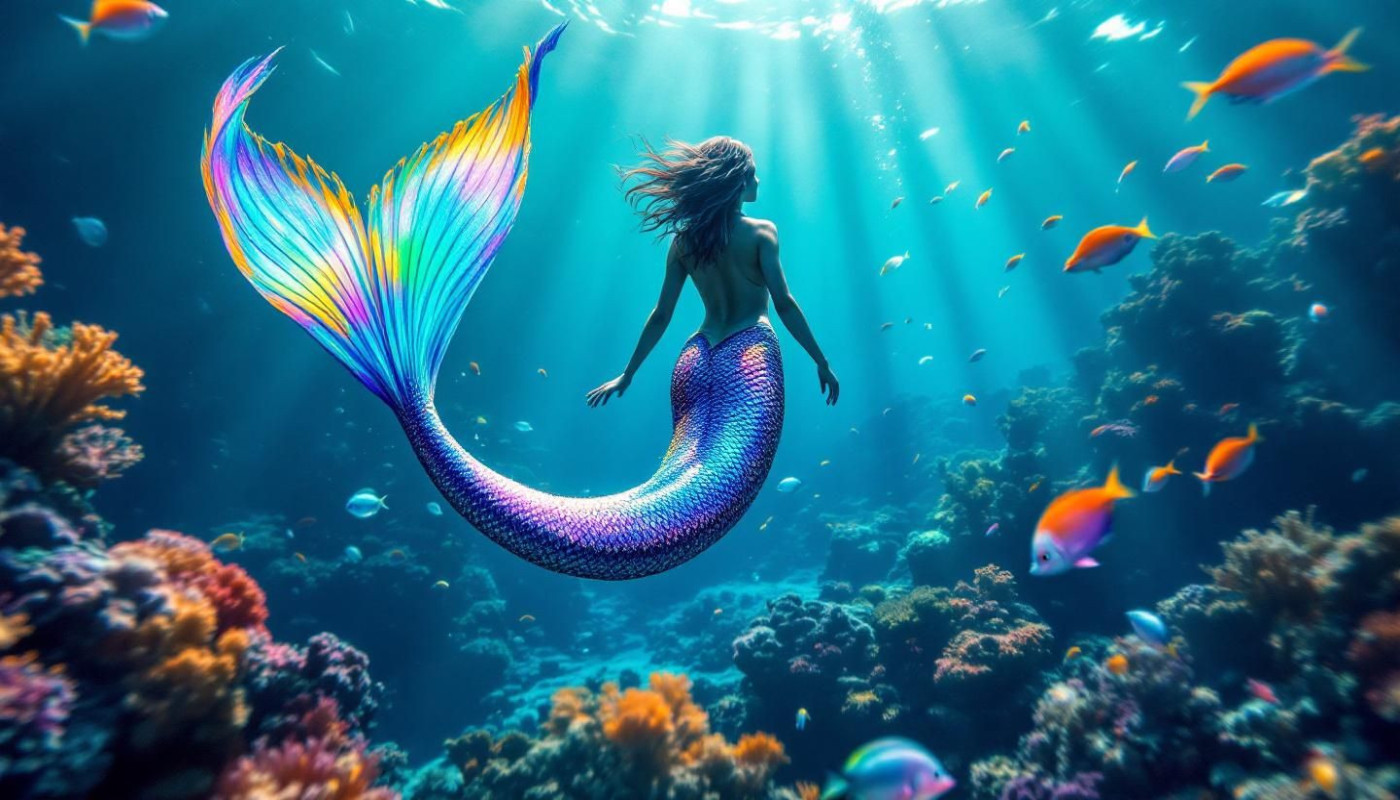
Capturing breathtaking underwater photos while wearing mermaid tails combines fantasy and artistry in an exhilarating way. From the mesmerizing flow of fabric to the interplay of light beneath the surface, each shot tells a magical story. Dive into the following sections to uncover indispensable techniques and professional secrets to transform your underwater photography into visual masterpieces.
Choosing the right location
Selecting the optimal setting for underwater photos in a mermaid tail begins with prioritizing clear water and a high visibility range, as these factors dramatically enhance image quality. The best locations often feature calm conditions and minimal sediment to avoid murky backgrounds and ensure the mermaid tail details stand out. Natural light plays a pivotal role in aquatic photography, so environments that allow sunlight to penetrate—such as shallow lagoons, coastal reefs, or spring-fed pools—are particularly advantageous. Alongside these visual elements, safety considerations must be addressed, such as checking for strong currents, marine life, and accessibility for both the model and the photographer. Aesthetic backgrounds, like vibrant coral reefs or sandy pool bottoms, contribute significantly to the overall composition and mood of the image. Leveraging the knowledge of a seasoned underwater photographer can be immensely helpful, as their experience in scouting and evaluating the best locations will maximize both creative opportunities and the safety of everyone involved in the shoot.
Mastering underwater lighting
Achieving breathtaking mermaid photography underwater relies on understanding the subtleties of underwater lighting and mastering advanced techniques. Ambient sunlight, when used strategically, brings out vivid details and natural shimmer in mermaid tails, especially during midday when the sun is highest. Soft diffused light from early morning or late afternoon can create dreamlike effects, but care must be taken to avoid uneven shadows and color shifts. Utilizing waterproof reflectors helps redirect sunlight to illuminate the subject’s face and tail, while underwater strobes provide controlled bursts of light vital for deeper aquatic photo shoots where sunlight fades. Balancing these sources is necessary for consistent light balance and depth in imagery.
Water naturally absorbs and scatters light, causing colors like red and orange to diminish at shallow depths and cool blue tones to dominate, so managing these shifts is paramount. Adjusting the camera’s white balance setting is a straightforward solution for accurate color correction and realistic skin tones in mermaid photography. Collaborating with a lighting technician skilled in underwater conditions can make a difference, ensuring both safety and technical excellence throughout the process. Precision in lighting not only enhances the aesthetic but also preserves the enchanting allure of the mermaid tail, making every aquatic photo shoot a visual masterpiece.
Perfecting the mermaid pose
Mastering the art of the mermaid pose underwater requires an understanding of fluidity and elegance that echoes the enchanting allure of folklore. Underwater posing in a mermaid tail should emphasize graceful movement and clean lines, focusing on body alignment to elongate the figure and create captivating silhouettes. Poses where the tail curves gently, arms flow overhead or alongside the body, and the head tilts with a soft expression can transform an ordinary shot into a breathtaking image. Relaxing the face, keeping fingers gently splayed, and allowing the tail to float naturally all contribute to more visually striking compositions.
Working alongside a professional underwater model or an experienced choreographer can be a game-changer for those new to mermaid photography tips. These experts provide real-time feedback on adjusting posture, improving body alignment, and holding dynamic shapes, which is especially useful when adapting to the unpredictable buoyancy underwater. Observing their techniques can help capture the illusion of effortless swimming and authentic, natural expressions, essential for truly stunning mermaid imagery.
Choosing the right accessories and high-quality tails, such as those found on mermaid Tails for swimming, can also elevate underwater modeling sessions. These specialized tails are designed for both safety and aesthetic appeal, making it easier to achieve smooth, controlled movements. For anyone looking to excel in mermaid photography, investing in the proper equipment and practicing varied poses in a safe, supervised environment will consistently enhance every underwater shoot.
Camera equipment essentials
Selecting the right underwater camera and aquatic photography equipment is fundamental to achieving striking mermaid tail imagery beneath the surface. A sturdy camera housing is non-negotiable, as it shields sensitive components from water pressure and potential leaks; opt for a model rated for depths beyond your planned dives. Waterproof gear extends to every accessory, including strobes, focus lights, and even memory card cases. The best lens for underwater portraiture is often a wide-angle or fisheye, as these allow for sharp focus at close proximity, minimizing distortion and capturing the full effect of mermaid tails. Choosing a dome port for your camera setup will help correct refraction and preserve edge-to-edge sharpness, especially when shooting split-level compositions.
Maintenance practices such as rinsing all equipment in fresh water after each session and regularly inspecting o-rings and seals are vital to prevent malfunction. For those new to underwater shooting, seeking advice from a seasoned underwater photographer is highly recommended for guidance on camera housing compatibility and optimizing your waterproof gear for various aquatic environments. Their experience can ensure that each element of your underwater camera kit performs reliably, allowing you to focus on creativity, capturing vibrant, ethereal mermaid portraits with confidence.
Post-processing for magical results
After capturing underwater mermaid photos, the journey toward creating striking images continues with underwater photo editing and specialized photography post-processing techniques. Color grading is a vital step to correct the blue or green hues often found in underwater shots, allowing for accurate skin tones and vibrant tail colors. Mastering layer masking grants precise control over adjustments, enabling selective retouching of areas like the mermaid tail, background, or facial features. Blemish removal is frequently required, as water may exaggerate imperfections or introduce floating debris, so careful retouching ensures a smooth, flawless appearance. For those seeking truly magical mermaid photo effects, advanced digital enhancements such as adding bubbles, light rays, or shimmering scales can be applied, all while maintaining a realistic look.
Engaging a skilled digital retoucher with experience in underwater imagery offers access to specialized knowledge and tools that can elevate the final result. Such experts are adept at balancing contrast, managing color shifts, and seamlessly blending visual effects using layer masking for maximum impact. Their understanding of underwater lighting and the unique challenges of photographing mermaids in aquatic environments ensures the finished images captivate viewers with both technical excellence and artistic allure. By combining these advanced underwater photo editing and retouching techniques, the visual story of a mermaid becomes both enchanting and polished.
Similar articles
Reviving The Millennium: How 2000s Fashion Shapes Modern Trends
Exploring The Rise Of Streetwear Influence In Modern Japanese Fashion
