Table of contents
The allure of the early 2000s never truly faded, but now its distinctive styles are making a striking comeback in contemporary wardrobes. This article delves into how the bold, playful, and sometimes daring trends from that decade are influencing today’s fashion landscape. Join the journey through nostalgia and innovation to uncover which millennium-era elements are reshaping modern aesthetics and why this revival matters for style enthusiasts and trendsetters alike.
Revisiting Iconic 2000s Elements
Key markers of 2000s fashion, like low-rise jeans, crop tops, and metallic finishes, have made a striking comeback in both high fashion collections and everyday street style. The resurgence of these early 2000s trends highlights a notable shift in aesthetic evolution, where retro clothing is not simply recreated but thoughtfully updated to suit contemporary preferences. Designers and brands are blending millennium style staples with modern tailoring, innovative fabrics, and responsible production methods, allowing a new generation to experience the playful confidence of the y2k revival. This renewed popularity stems from a desire for nostalgia coupled with fresh self-expression, as wearers reinterpret iconic silhouettes and textures in unique ways, infusing modern outfits with energy and personality. The result is a dynamic interplay between past and present, demonstrating how beloved elements from the turn of the millennium continue to inspire and shape the current fashion landscape.
Tech Fabrics and Futuristic Vibes
The early 2000s fascination with technology has left a lasting imprint on modern fashion, as techwear and futuristic fashion continue to thrive. Designers are increasingly revisiting millennium fabrics such as mesh, vinyl, and reflective textiles, integrating them into contemporary collections for both aesthetic appeal and functional innovation. Performance materials, developed for their durability and adaptability, are a direct nod to the Y2K aesthetics that celebrated the merging of high-tech and style. In terms of color, bold metallics, iridescent finishes, and neon hues reminiscent of space-age fantasies have resurged, bringing a sense of playfulness and innovation to modern textiles. These elements together craft silhouettes that are both nostalgic and forward-looking, illustrating how the era's experimental spirit influences today's most cutting-edge designs.
Accessorizing The Millennium Way
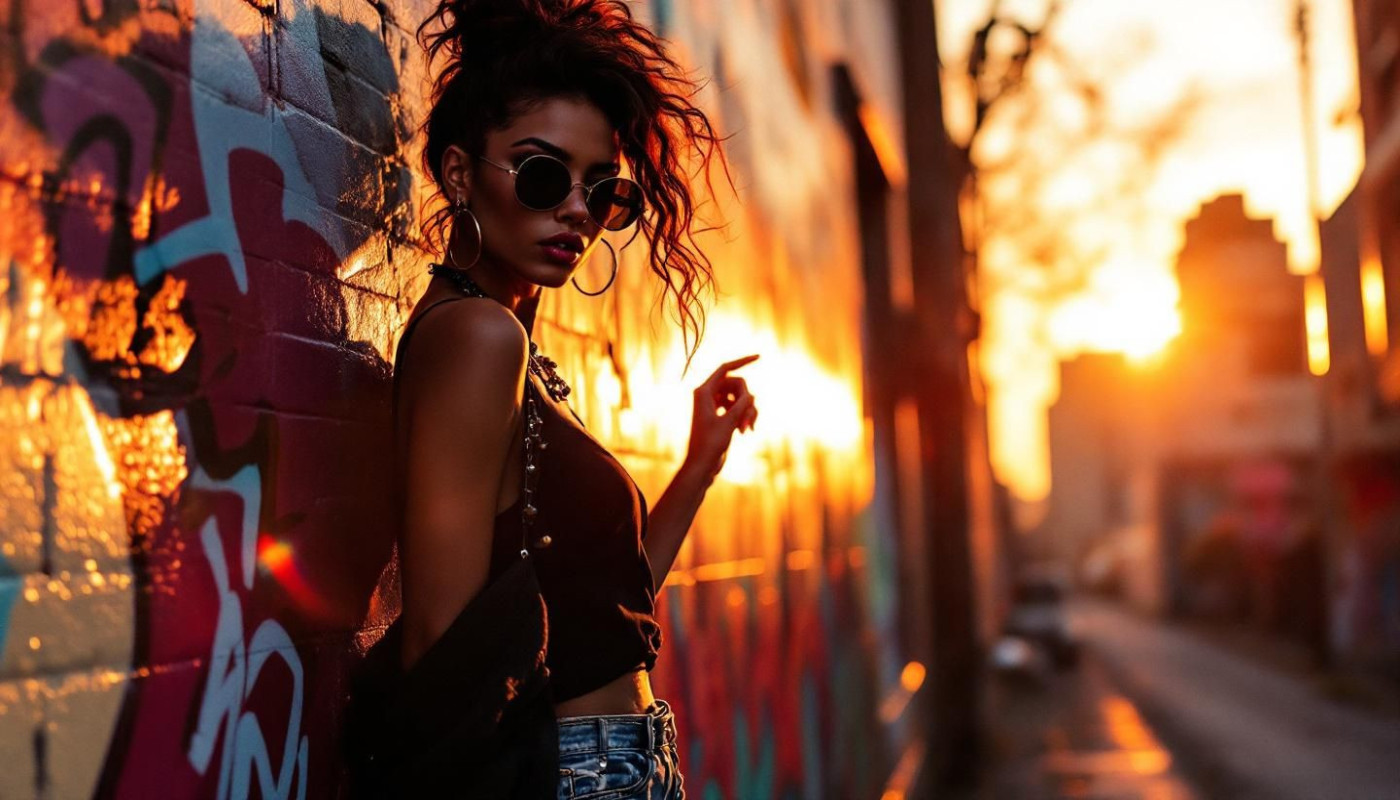
Y2k accessories have returned as defining styling accents for modern wardrobes, echoing the playful and bold energy of 2000s style. Statement jewelry—think oversized hoops, layered chains, and colorful plastic bangles—is being embraced for its ability to inject individuality into both minimalist and maximalist ensembles. Wide belts cinch tailored suiting or flowy dresses, adding a structured touch that nods to millennium fashion trends while providing versatility and personal flair. Retro eyewear, particularly tinted lenses in unexpected hues, is again a street style staple, lending a nostalgic edge and effortless cool to everyday looks.
The renewed popularity of these millennium-inspired styling accents can be attributed to their unique power to transform an outfit. Whether paired with pared-back basics or more extravagant, pattern-heavy clothing, y2k accessories create visual interest and allow for self-expression. Statement jewelry and wide belts, for example, break the monotony of neutrals and streamline silhouettes without overwhelming the wearer, while retro eyewear offers a pop of color and a touch of whimsy. This dynamic has led to a revival of 2000s style as both a trend and a mode of personal storytelling, affirming that accessories are not just embellishments but integral elements of contemporary fashion identity.
Pop Culture’s Lasting Influence
2000s pop culture has left a lasting imprint on the world of fashion, with y2k icons like Britney Spears, Paris Hilton, and Destiny’s Child continuing to drive contemporary style choices. Designers often draw millennium inspiration from these figures, incorporating signature elements such as low-rise jeans, metallic fabrics, and oversized accessories into their latest collections. This cultural resurgence is not only evident on the runway but also across social media platforms, where nostalgic trends are celebrated and reimagined by influencers and fashion enthusiasts alike. The cyclical nature of pop culture fashion ensures that styles from the early 2000s are continually revived, allowing new generations to reinterpret classic looks through a modern lens. For those seeking to embrace the spirit of this era, More Help can be found at dedicated marketplaces offering vintage-inspired pieces and authentic y2k aesthetics.
The Sustainability Perspective
Reviving millennium style is reshaping the sustainable fashion landscape, as more consumers turn to y2k thrift and vintage clothing to build wardrobes that reflect both nostalgia and responsibility. Embracing vintage 2000s pieces not only reduces demand for new garments but also supports circular fashion, where clothing is reused, repurposed, and kept in circulation for as long as possible. This shift encourages upcycling trends, transforming old items into contemporary statements, and fostering an eco-friendly style that counters the wasteful habits of fast fashion. Choosing to buy pre-loved pieces or creatively update items from the past helps decrease textile waste and the environmental footprint associated with manufacturing new apparel.
With upcycling and y2k thrift stores gaining popularity, the practice of reviving millennium fashion is making responsible consumption more accessible and attractive. Vintage clothing offers unique, high-quality options that often stand out from mass-produced alternatives, appealing to those seeking individuality and sustainability. This approach not only promotes eco-friendly style choices but also challenges the throwaway culture by valuing the longevity and versatility of existing garments. As circular fashion continues to grow, the intersection between nostalgia-driven trends and sustainability is inspiring a broader movement toward mindful, resource-conscious wardrobes.
Similar articles

How To Capture Stunning Underwater Photos In Mermaid Tails
Exploring The Rise Of Streetwear Influence In Modern Japanese Fashion
